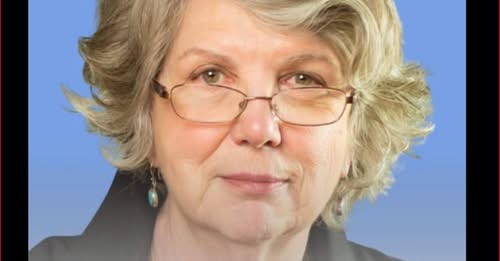
Marsha Linehan Cause of Death: DBT Pioneer and Psychologist from Tulsa Dies at 83
The psychology and mental health communities are mourning the reported death of Dr. Marsha M. Linehan, the renowned American psychologist, professor and creator of Dialectical Behavior Therapy (DBT). She was 83.
News of Linehan’s reported passing on November 10, 2026, has prompted tributes from colleagues, mental health professionals, former students and people whose lives were influenced by her groundbreaking work. Born in Tulsa, Oklahoma, she became one of the most influential figures in modern clinical psychology through her research and dedication to improving treatment for people experiencing severe emotional distress.
A message circulated within the professional DBT community reported that Linehan died peacefully at the University of Washington Medical Center in Seattle, surrounded by her daughter, Geri. Her reported death has yet to be accompanied by a detailed public announcement from her family or the University of Washington.
Marsha Linehan’s Reported Cause of Death
Questions have emerged about what happened to the respected psychologist before her reported passing.
According to the message shared within the DBT professional community, Linehan was hospitalised on October 31 after developing pneumonia. The announcement reportedly indicated that she later received comfort-focused care before passing away.
However, an official medical cause of death has not been publicly confirmed. Although pneumonia was identified as the reason for her hospitalisation in the circulated announcement, it should not automatically be presented as her formally established cause of death.
Further information about her final arrangements and memorial services has also not been confirmed publicly.
A Life Dedicated to Psychology and Mental Health
Born on May 5, 1943, in Tulsa, Oklahoma, Marsha Linehan built an extraordinary academic and professional career. She studied psychology at Loyola University Chicago, where she earned her undergraduate and graduate qualifications before pursuing a career in clinical research and teaching.
She eventually joined the University of Washington, becoming a professor of psychology and leading its Behavioral Research and Therapy Clinics.
Her professional interests focused on suicidal behaviour, borderline personality disorder and the development of effective treatments for people experiencing complex psychological difficulties.
The Development of Dialectical Behavior Therapy
Linehan’s most recognised contribution was the development of Dialectical Behavior Therapy, widely known as DBT.
Initially designed to help people struggling with suicidal behaviours, the treatment became an important approach for individuals living with borderline personality disorder and other conditions involving difficulties regulating emotions.
DBT combines behavioural techniques with acceptance, mindfulness, emotional regulation and interpersonal skills. Its central philosophy encourages individuals to accept their experiences while developing practical tools to create meaningful changes in their lives.
Her research helped transform clinical approaches to treating people who had previously struggled to find effective support.
Her Lasting Legacy
Beyond her research, Linehan influenced generations of therapists through her books, teaching, clinical programmes and professional training initiatives. Her memoir, Building a Life Worth Living, offered readers insight into her personal experiences and the journey that shaped her professional mission.
She retired from the University of Washington in 2019, leaving behind a substantial body of research and a treatment approach used by mental health professionals internationally.
As tributes continue to circulate, Marsha Linehan is being remembered for her dedication to helping people experiencing profound emotional suffering.
Her influence will remain through the clinicians she trained, the research she produced and the many people whose lives were touched by DBT. Her reported passing represents a significant loss to the psychology and mental health communities.
May her family, colleagues, students and everyone who benefited from her work find comfort as they remember her remarkable contributions.